Subscribe for a more productive life, powered by life philosophy
What I'm learning, building and releasing.
All My Plugins in One Place
Dozens of Separate Plugins
I'm feeling quite excited about the book I'm writing. In yesterday's post, I talked about how I decided to start writing it.
I'm developing super powerful organization systems, and in the process, I've realized something about Obsidian.
As much as I love Obsidian, and I continue to use it and plan to keep using it, one of my favorite things about it is that I've been able to create my own plugins in it.
But at this point I've got dozens of plugins. Even to share them, to make them available to someone else, it's just a lot of separate plugins.
They fulfill different purposes, so they don't even work as one comprehensive plugin in Obsidian. And there are certain Obsidian limitations I've faced.
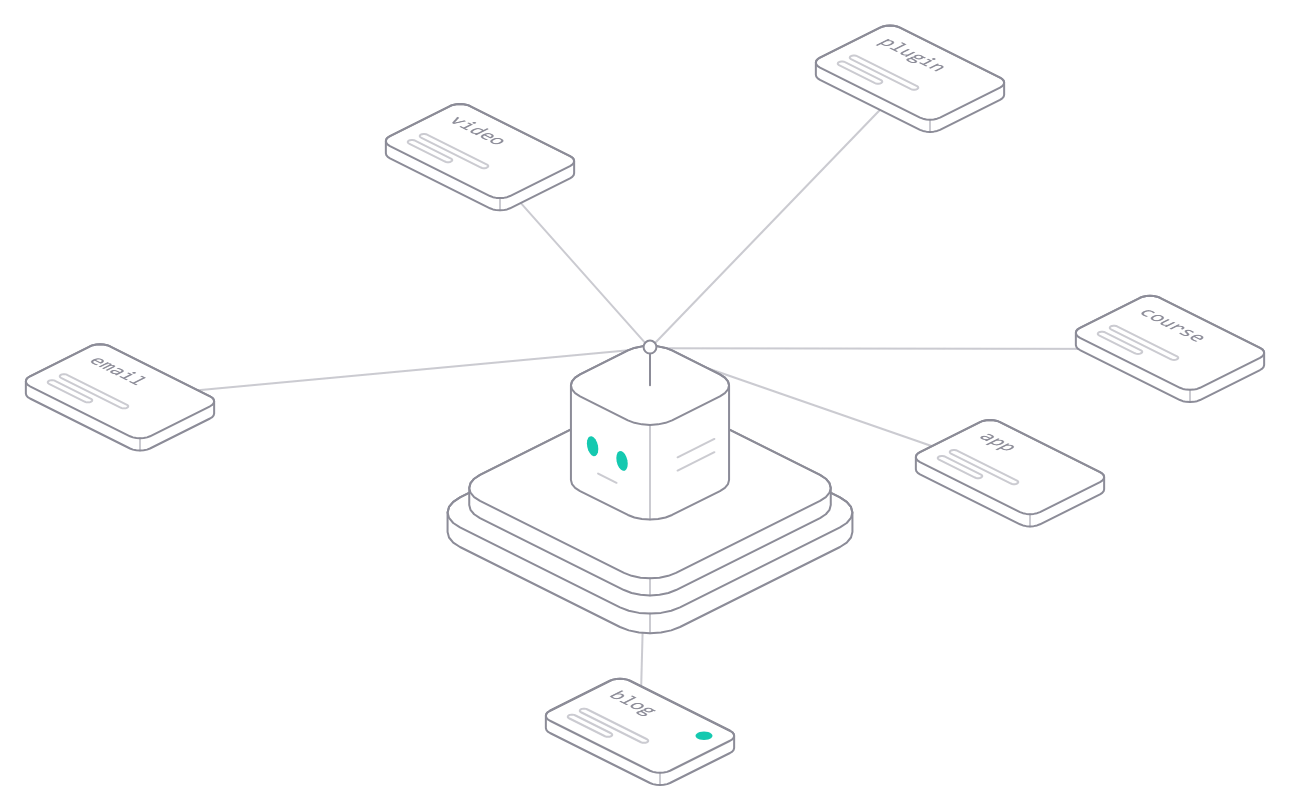
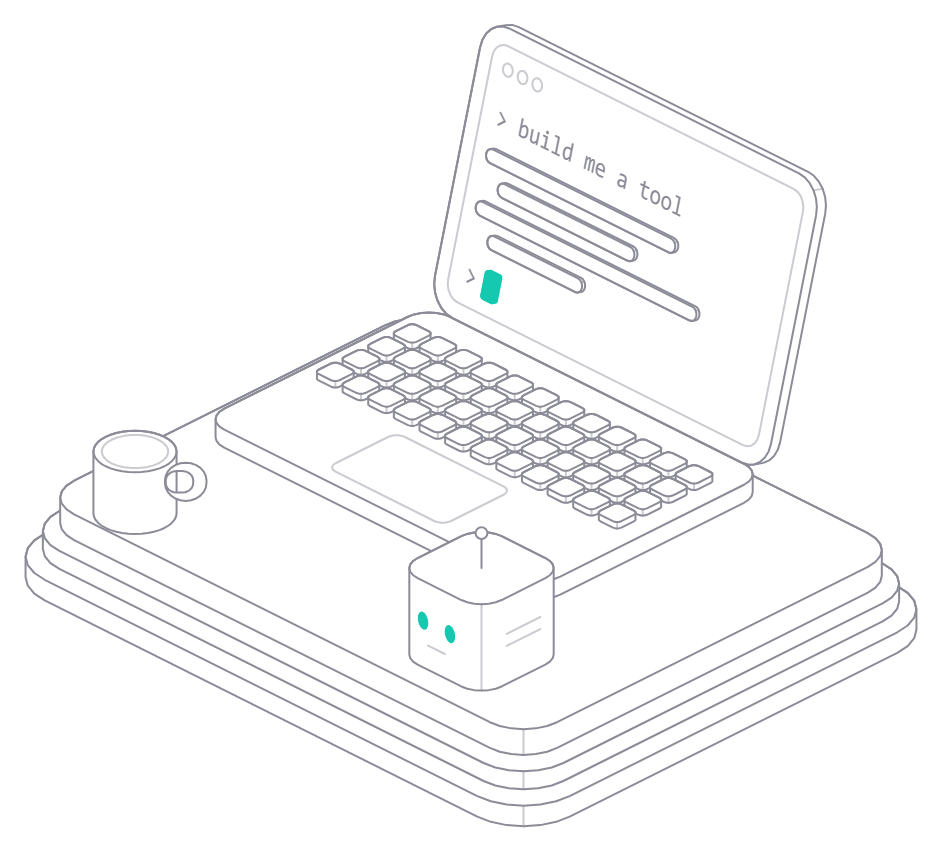
So for that reason, I'm putting together my own application.
My Own Writing App
Built on Branch Writing
Branch Writing is the Obsidian plugin I've sold that hundreds of people are using. I think it's got something really special about it.
I've really perfected that method and developed better ways to do writing with it. And that's what I'm using to write my book.
So I decided to start creating my own app where I'm writing my book, and where I'm compiling all the useful tools I built inside Obsidian.
It has the same benefits as Obsidian when it comes to owning your notes and future-proofing them, which is extremely important for writing a book.
Still Figuring It Out
I'm still developing and organizing how I'm going to put this app into the world, and I'm still figuring out the business model.
But the last couple of days have been piggybacking on all the work I've done for months and months on Branch Writing, and compiling it into its own dedicated app, which is very exciting.
Writing a book in here has been by far the best experience I've ever seen. Not just experienced myself, but seen anywhere, when it comes to writing a book.
And with all the tools I've built into it, there are really cool workflows I'm excited to talk more about.
Why I'm Committing to Writing My First Book
Dozens of Index Cards
Yesterday, after doing quite a bit of really fun work, I was exploring and just writing a lot.
I'd been writing index cards, like I talked about in yesterday's post. I wrote probably dozens of index cards on various ideas.
Then I thought about how powerful it is to put your ideas somewhere clear, where you can organize and visualize them.
I came across a great quote, and I had it saved in my quotes:
I don't know what I think until I write it down."
― Joan Didion
A Better Question
Then I asked myself a question, because sometimes life is about asking better questions.
I asked: if I were to write a book, what would it be about?
I started coming up with ideas, and one thing led to another.
I'm obviously in the early stages, and there's always the excitement of new endeavours. But I did decide to start writing a book.
Proving the Tools
Building the Right Tools
I think I've developed the skills of, above all, organisation.
A big part of writing a nonfiction book is having the right tools. And not only having the right tools, but also building them.
Branch Writing is an invaluable system I've created for writing ideas. I've been using it for things like blog posts, online content, and the scripts of my YouTube videos.
But now I'm taking on a bigger journey to prove its power, along with the other systems I have in place, and to set myself the challenge of writing a book.
One Year, or Six Months?
If I had to guess, this journey will likely take one to two years, but I don't really want to set a deadline.
I'm still debating whether it would be great to challenge myself and ask, what happens if I finish it in six months? I think that would be an incredibly challenging thing to do.
What I do want is to document my journey as I go, because that would be a super valuable experience.
Back to Paper
My Own Pocket Notebooks
I've been really interested in writing on paper again, especially as a place to put my ideas.
Recently I made my own little pocket notebook, and it's been a really cool experience. You can see it in my Higgsfield video, at 4:47.
Those are the ones I've been using. I still like them a lot, and I think they're probably still the most aesthetic version.
Everything on Index Cards
Then there's the other method: writing everything on index cards.
What I like a lot about it is that you can discard the cards for the day that aren't worth saving, and digitize anything that needs to be digitized.
You can store the good thoughts, the ones worth preserving, and you can also use index cards as a task management system.
A System That Works on the Go
Prototype Number One
The only problem is that I really like having something that works on the go, not just something that works when I'm at my desk.
So I'm experimenting with a foldable system for these loose index cards. In an ideal world it would be something like leather.
But right now I'm doing prototype number one, made of hard black card, which looks pretty cool. I'm making it a threefold system.
The whole point is to have a nice way to organize what's a to-do, what's a new card, and where I can grab more cards whenever I run out.
Cut to Measure
I've been cutting these cards myself as well, which is pretty cool, because I can make them to measure. Yes, you can buy them pre-made.
One of the next things I'd like to buy at some point is a corner rounder. There are machines for that, and technically, the more cards it can do at once, the better.
But even a cheap one would be better than what I do right now, which is cutting the corners with scissors. Sometimes I do it well, and sometimes I can't be bothered and just make them not pointy.
Start With a Mess
At first I was really trying to number everything Zettelkasten style, or categorize everything by date and by which card I'm on that day, with a decimal system for continuation cards.
But I've realized one of the best ways I approach these things is by making an absolute mess. Then, out of that mess, you can bring simplicity and order.
Instead of trying to design the perfect system from scratch in theory, put it into practice.
Make a system that looks absolutely crazy. If someone saw you with all these pieces of paper, asked what you were doing, and you tried to explain it on the spot, they'd think you were crazy. So context matters a lot.
I'm definitely testing this system. I think it's got merit, and I'm still experimenting. I'm liking it so far, there are good advantages to it, so we'll see how it goes.
AI Is for Building
There are a lot of ways I could approach my business, and it's always difficult to know which is the best path to take. But with the tech we have available these days, it's very exciting what's possible to build.
A Hammer Doesn't Pick Sides
What I've found so far is that AI, like any other tool, can be used for good or for evil. Just like a hammer can be used to build a house, it can also be used to hit someone in the head.
It's the same with AI. It can be used to build useful things, or it can be used to pretend to be a human and pretend it's the same as human creativity, which obviously it's not.
What a computer is to me is the most remarkable tool that we have ever come up with. It's the equivalent of a bicycle for our minds.
1.
From an interview in Memory & Imagination: New Pathways to the Library of Congress (1990). The exact wording varies slightly between versions of it.
Over 100 Apps I Don't Pay For
That's why I've found that the best way of using AI has been to build things. To build apps.
Personal apps that help you improve the way you work and save you time on the manual parts of work that don't contribute meaningfully to your life.
Everybody in the world is now a programmer. This is the miracle of artificial intelligence... you now have a computer that will do what you tell it to do to help automate your work to amplify your productivity.
2.
From his conversation with Omar Al Olama at the World Government Summit in Dubai, February 2024.
And at the same time, apps that help you build systems, workflows and methods that make you more efficient and more creative.
And even better if you can build the sort of things that can help others as well.
I've been doing this for the last 2 years, and I've created over 100 personal apps. Now, granted, not all of them were great successes, and many of them I no longer use.
But the ones I do use are incredible. I wish more people discovered this incredible skill.
I've seriously replaced my need to pay other people to create apps for me. Now I rely a lot more on my own apps and platforms instead of relying on others, which is amazing.
We shape our tools and thereafter our tools shape us.
3.
From John M. Culkin's article "A Schoolman's Guide to Marshall McLuhan", Saturday Review, March 1967. It's often credited to McLuhan himself, but Culkin's article is the earliest confirmed source.
Someone Else's Goals
Their Support Won't Save Your Business or Workflow
The biggest jump I've made here has been with my course platform, the place where I host my video courses and sell them to my clients.
I've jumped from platform to platform, because I was never satisfied.
I always felt a super annoying frustration that no matter how much you contact the customer support of the platforms you use to create your website, they're just not interested in solving the problem.
Not to mention the crazy prices.
We have to admit the reality that customer support is there to work for the goals of the business. The business, fair enough, is just trying to make money.
They have to have the sort of features that are going to work for the largest number of people, without necessarily building features that are going to be a headache for them to maintain.
So fair enough when they say no to the thing you need, because maybe you're one of maybe 10 people at most that would actually use that feature, and that increases their cost to first build the feature and then maintain it.
So building your own custom platform instead saves you so much money that you were otherwise paying them, and you have a much more customized, personalized solution.
You don't lack resources, you lack resourcefulness.
4.
A paraphrase of a line from his TED2006 talk, "Why we do what we do": "The defining factor is never resources; it's resourcefulness."
Frustrated? Just Fix It
Same with my website, especially when it comes to having a really nice blog. Your website is the central place of everything you do online, where you can always link to any relevant social media, as well as any other paid products you might sell.
And if any of these sound like you, there is nothing better than an efficient, well-working website:
You write
You want your blog posts organized
You want to collect emails for your newsletter
Again, that's another area where I've tried so many different website providers. Everything is exciting when you first try it out.
But when you have your own personal website and something about it frustrates you, you can just fix it.
If it is broken, fix it. If you don't like it, change it.
5.
Widely credited to Casey Neistat, though I couldn't find the video or interview where he says it. It's possible someone said it before him, but if so, the earlier source is anonymous.
You can add the feature that's missing. You can improve things however you wish, and convey the message you want to convey to the world.
It helps you reach your goals, rather than someone else's goals.
I must Create a System, or be enslav'd by another Man's. I will not Reason & Compare: my business is to Create.
6.
From Jerusalem, plate 10. The words are spoken by Los, a character in the poem.
I'd Rather Work the Way I Work
Other platforms try to get you to adapt your workflow to how they think, or to how they make things accessible to the masses. I'd rather work the way I work.
Whoso would be a man must be a nonconformist.
7.
From his essay Self-Reliance (1841).
I Talk, My Website Changes
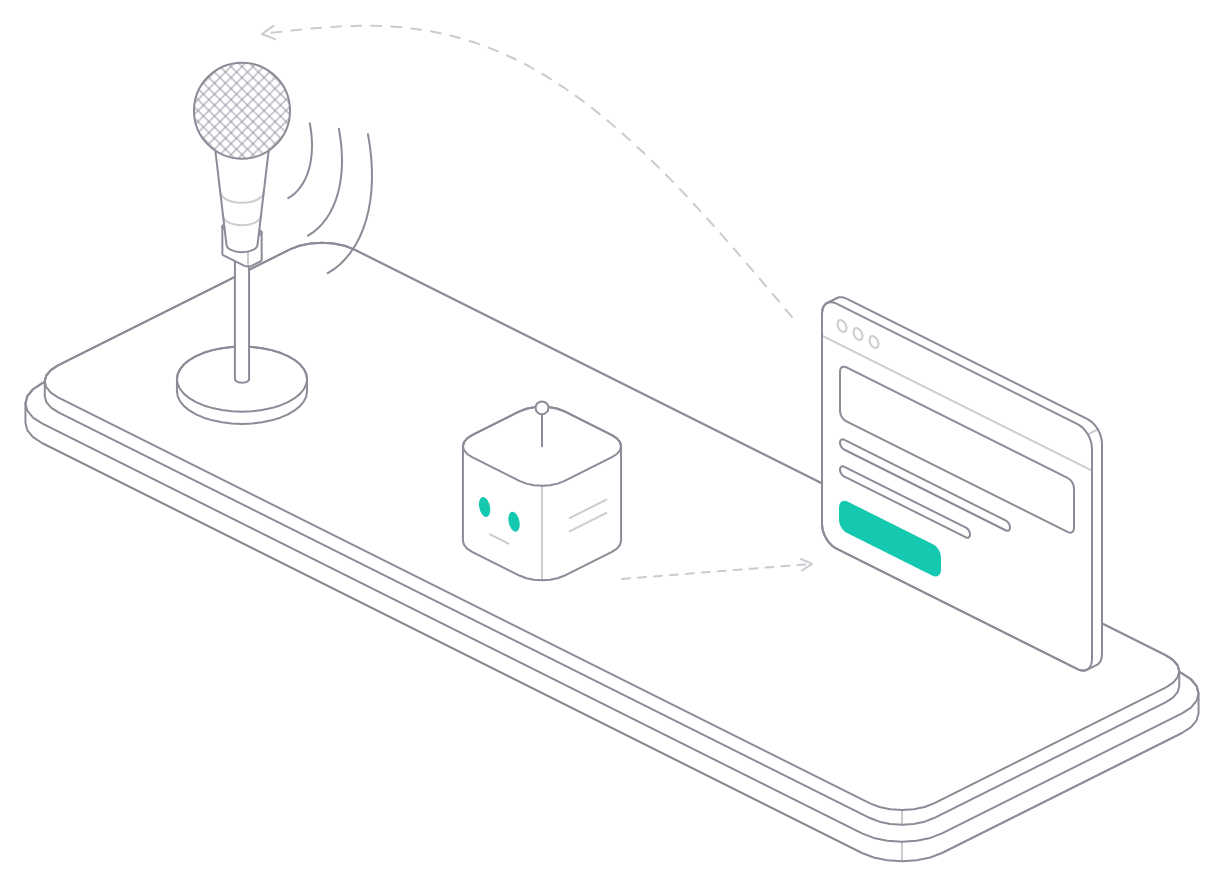
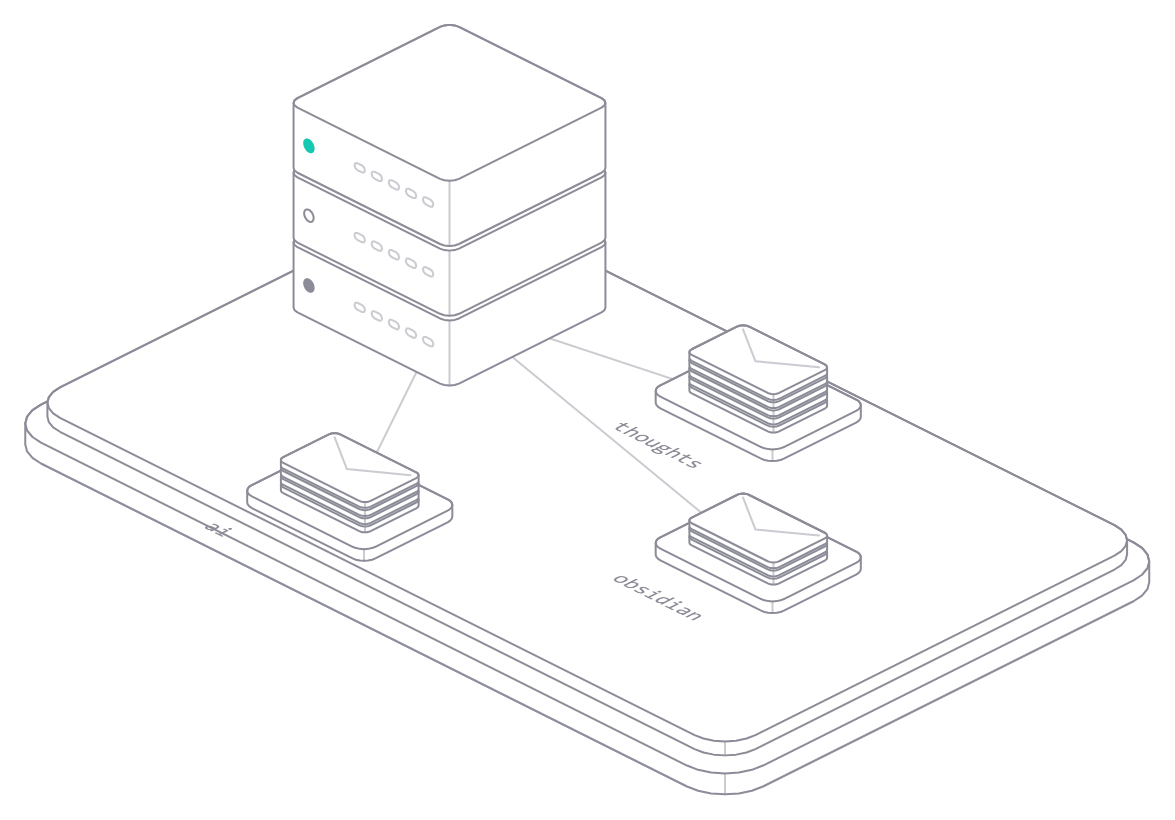
For instance, whenever I want to update my website, I just dictate the changes I want, and my AI agent makes them straight away.
If I want to write a new blog post, I just dictate what I want. Then I go to my website and read it.
I can build all sorts of cool features, like text-to-speech that reads it back to me. And I can dictate any changes I want.
A Jarvis Experience
It seriously feels like a Jarvis experience, where I'm the mastermind behind it all.
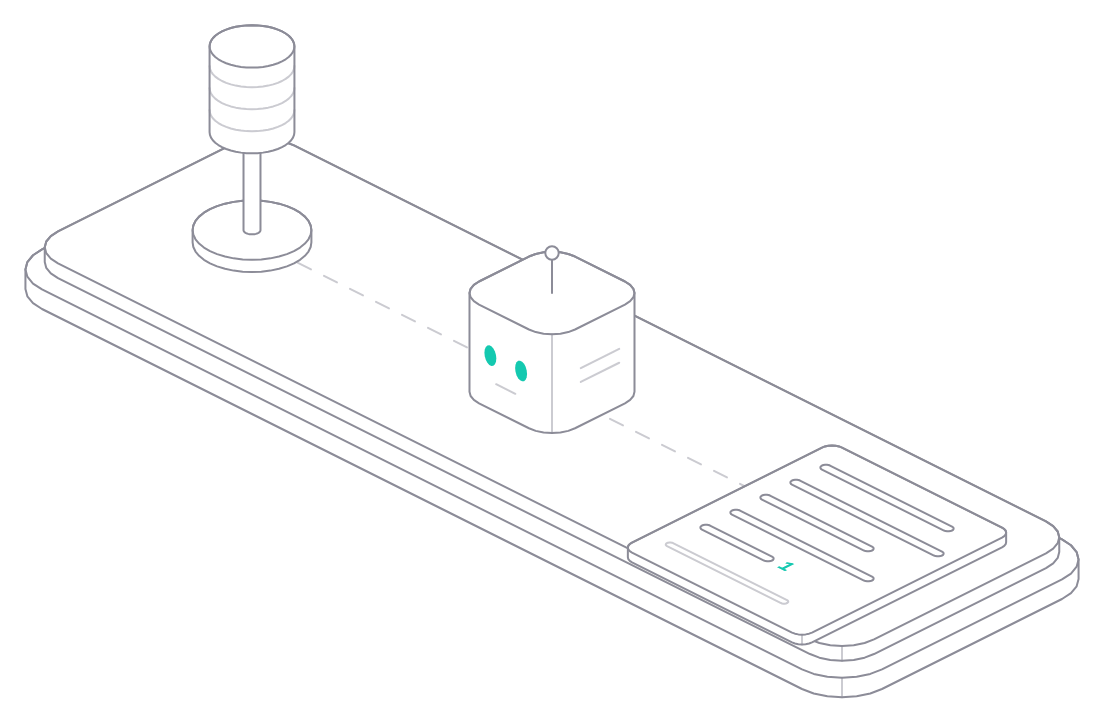
I use my voice to explain what I want, my AI agent builds it, and I give it feedback with my voice again. It's a constant process between explaining what I want and getting what I want.
Of course, it's still a skill. The better you get at working with your AI robot, the better results you'll get. But it's an exciting time to be alive.
The best way to predict the future is to invent it.
8.
He first said it at a 1971 meeting at Xerox PARC.
Where My Thoughts Stay Put
A Private Room Below This Post
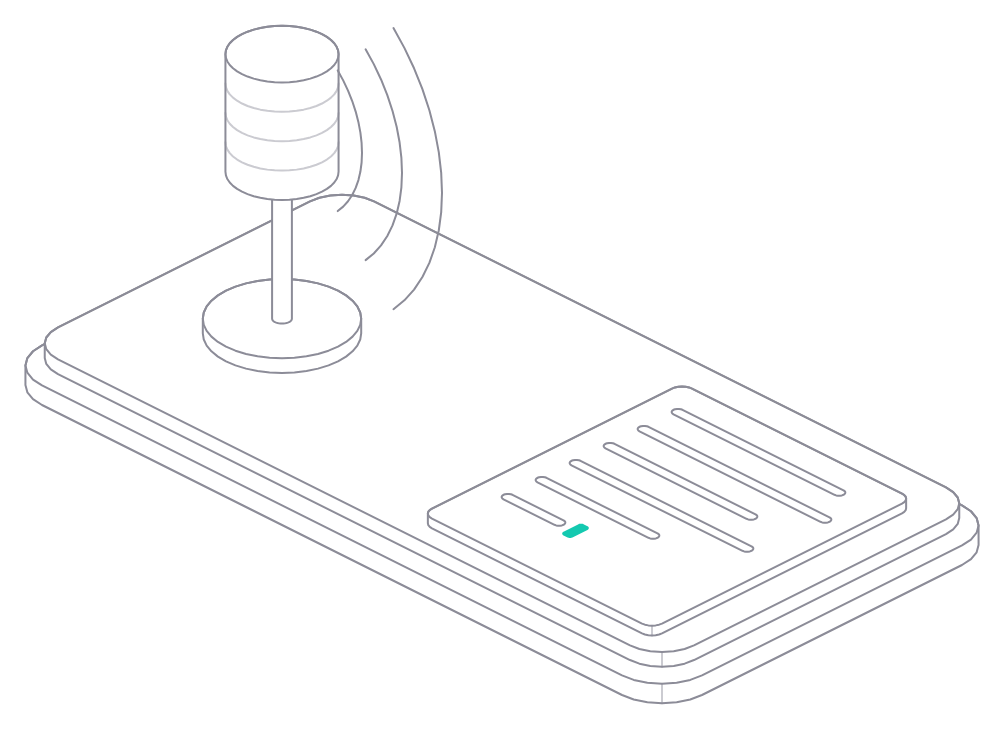
This daily post has a section below what you're reading right now. A private place that only I can read, as the admin of this website.
It's an amazing thing that I highly recommend. Publishing on a website where everything's very aesthetic and very well organized, and then having a section that's just for me, has been incredible.
It's for thoughts that are a bit more private. More in the sense that I don't want them published and made public on this website.
My Notes Never Stay Organized
Since yesterday, when I decided to get back into writing these daily posts, I'm discovering that it's an incredible way to organize my thoughts, in a way that really stays well organized for posterity.
As much as I have good note-taking apps like Obsidian, over the years I eventually end up reorganizing a lot of things.
Ultimately, anything I want to revisit, I either see what I said about it on YouTube or in the writings I created.
Someone Might Be Reading
And it's incredible to have most of these thoughts out there. The ones that aren't private, the ones you're reading right now.
Knowing that others might read this gives me a certain accountability. It holds me to a higher standard and more dedication than I'd have for a private note, and that's an amazing feeling.
As you can see, since I started writing publicly on my website again, today I'm writing a lot more than I probably will in future days.
And I need to acknowledge that some days I just won't publish anything, and that's okay. The pressure I put on myself to always have the perfect streak is what ultimately ends up with me not publishing.
But for this, I'm excited. I'm taking advantage of it, and using it as a public way to think and process my thoughts.
Footnotes
From an interview in Memory & Imagination: New Pathways to the Library of Congress (1990). The exact wording varies slightly between versions of it. ↩
From his conversation with Omar Al Olama at the World Government Summit in Dubai, February 2024. ↩
From John M. Culkin's article "A Schoolman's Guide to Marshall McLuhan", Saturday Review, March 1967. It's often credited to McLuhan himself, but Culkin's article is the earliest confirmed source. ↩
A paraphrase of a line from his TED2006 talk, "Why we do what we do": "The defining factor is never resources; it's resourcefulness." ↩
Widely credited to Casey Neistat, though I couldn't find the video or interview where he says it. It's possible someone said it before him, but if so, the earlier source is anonymous. ↩
From Jerusalem, plate 10. The words are spoken by Los, a character in the poem. ↩
Writing a daily post is something I did for 100 days in a row.1 This is something I really enjoyed achieving. I think part of what stopped it from becoming a habit I'd stick to was the streak. The pressure to keep the streak was so overwhelming that when I finally achieved the 100 days that I committed myself to achieve, I was done. Now, in hindsight, it's been 3 years, 2 months and 10 days.
1.
In 100 Days of Daily Blog, I wrote about the culmination of that challenge and the lessons I learned from it.
Pulled in So Many Directions
I feel pulled in so many directions creatively. There are projects I want to start and ideas I want to implement.
This is a blessing and a curse. I'm very grateful for it, because years ago I used to go through creative ruts, and just general ruts, where I felt unmotivated to do anything. Right now I'm in the opposite place, which is an amazing thing.
But again, it's a blessing and a curse. I feel like doing everything, and in some ways that keeps me distracted from the things I have to do. And when I say "have to do", I pretty much mean the activities that produce money. Working for myself means I need to be good at prioritizing those. That's why I've been thinking about the dip again.2
2.
Overcoming The Dip was a daily post I wrote 3 years, 2 months and 27 days ago.
The Dip
I know the rule. Every project starts with uninformed optimism, then it drops into the dip, and the only way to reach achievement is to push through the difficult part.
Quit the wrong stuff. Stick with the right stuff. Have the guts to do one or the other.
I struggle with this quote. I do believe I need to say no to so many of the wrong things. It's just that I really struggle sometimes to know which ideas could be a massive breakthrough, and which ones are simple distractions. They might be fun to pursue, but in the end they could turn out to be a time waster.
When a New Idea Shows Up
And honestly, I know it really well. The problem is that the dip is exactly where a new idea shows up and starts to look amazing. For me, that pull towards novel ideas is the hardest part.
A fresh idea always feels like the top of the first hill, and the project I'm working on feels like the bottom of the valley.
So I'm putting this curve here as a reminder. When a new idea feels super exciting halfway through something, it's probably just the dip talking.
We know little, but that we must trust in what is difficult is a certainty that will never abandon us… that something is difficult must be one more reason for us to do it.3
3.
From Letter Seven of Rainer Maria Rilke's Letters to a Young Poet (written in Rome, 14 May 1904), in Stephen Mitchell's translation.
So What Do I Do With It?
That is true for me. I do feel like I'm constantly being pulled in many directions.
But I don't think the solution is to suppress that creative desire I have for things. I think the solution is to use it, channel it into something useful, and let it flow into what I write next.
A Good Task System
A big part of handling so many ideas, when you have so many things going on, is having a good task management system. If every idea has a place to land, I don't have to chase it right away, and I can come back to it when the timing is right.4
4.
If this is something you need help with, contact me.
I created my own custom task system, and I can teach you how to create your own custom system too.
AI Coding
I've been really focused on AI coding, and I'm incredibly grateful to have discovered how powerful it is. It's been about two years now, and I spend most of my days creating some really nice stuff with it. It's also something I've been super passionate about teaching others.5
It's a step-by-step system for getting AI to build your own small tools, web apps and Obsidian plugins, with no coding required.
It's made for complete beginners.
A Writer Who Doesn't Like Writing
So here's the idea. I would like to start using this blog as a way to write more.
"I'm Not Really a Writer"
Of course, one of the objections I always have is that I'm not really a writer. But who cares about that? The real questions are different:
Am I someone who is constantly learning new things? Yes.
Do I have things to say? Yes.
Do I like conversation and saying things out loud? Yes.
Can I sit down and write for long periods of time? To be honest, not always. I get bored and excited by other ideas, like creating an app.
If a thing is worth doing, it is worth doing badly.
What Chesterton means is that some things are worth doing yourself, even if you do them imperfectly. In the book, he's praising the all-rounder, someone who does many things without being a specialist in any of them. Being an amateur at something worthwhile is better than staying out of it and leaving it to the experts.
This really resonates with me. Lately I've had a massive pull towards being a better polymath. And by polymath, I mean someone with various interests who keeps growing in many different skills, as opposed to a specialist. But it's not just about doing that for myself. I've decided I want to teach this to others, or at the very least inspire others to try it. That's a big part of what I call Davincism.6
But I like talking. So voice dictation is amazing for me, and that's what I want to do more of.
Putting my thoughts out there, everything I have for the day, and using that as a source of material I can come back to later.
Why Put It on My Blog?
Whenever I've done this in my own personal notes, I've eventually given up. I'm a big fan of turning things into something aesthetic.
So putting it out on my daily blog, making it look better, making it more useful to others, and building nice features that help people resonate with what I'm saying is pretty cool.
What I'll Use It For
From there, I can use that material for the important work.
YouTube Videos
On one hand, that's creating YouTube videos with smart, well-thought-out points, and sharing opinions I think are worth sharing. Right now I'm working on my next YouTube video, which is about Branch Writing.7
7.
Branch Writing is the Obsidian plugin I created to help you write the way you think.
Instead of forcing your ideas into paragraphs, you can lay them out visually as branches and move them around.
And finally, it's about overcoming the fear I've always had of sending emails.
I've had a lot of setbacks with expensive email companies and their pricing, and it always discouraged me psychologically. This isn't a problem with their business model. It's more about my psychology. Paying for every subscriber always made me not want to grow my email list, which is ridiculous.
My Own Email System
But now that I've built my own custom projects, like the platform where I sell my courses, I can build my own email system.
That lets me get really good at sending emails to the people who actually want them, about the topics they care about. All the way from those who might enjoy these random thoughts, to the people who only want the curated side of how I use Obsidian, or how I use AI to build my own custom projects.
How I Wrote This
This post is scattered, with so many different topics, but writing this way is a technique that's really helping me. It helps me express my ideas better and organize my thoughts better, and I'm very, very excited to get into this habit. Even without the pressure of doing it every single day, doing it consistently would be an amazing thing to build.
The way I was able to write this so effectively was voice dictation. I just dictated my ideas like crazy. Then I have some really cool AI workflows that help me compile all of it, organize it, and display it in the experience you're reading right now, including footnotes like this one.8
8.
Yeah, this is an example of what a footnote looks like.
And yeah, I mean, it's incredible. This is one of the best uses of AI: helping you organize and nicely display your original ideas, your human touch, your human intellect, and helping you share them with other fellow humans like you, the reader.9
9.
Well, I hope it really is you reading this, and not your AI reading it and giving you a summary. That'd be hilarious.
Footnotes
In 100 Days of Daily Blog, I wrote about the culmination of that challenge and the lessons I learned from it. ↩
Overcoming The Dip was a daily post I wrote 3 years, 2 months and 27 days ago. ↩
From Letter Seven of Rainer Maria Rilke's Letters to a Young Poet (written in Rome, 14 May 1904), in Stephen Mitchell's translation. ↩
If this is something you need help with, contact me.
I created my own custom task system, and I can teach you how to create your own custom system too. ↩
Today, I mark day 100 of daily blogging. Let me share with you 3 lessons I learned from publishing new thoughts every day for 100 days.
The Power Of Consistency
I’m proud of how much effort I put into this project of daily writing. During these 100 days, I even went on a holiday to the jungle, but I was so dedicated to this project that I still found a way to keep publishing.
I was very consistent. I must admit it wasn’t a 100% perfect streak. Ironically, I miscounted the 100 days and thought I reached 100 a few days before today, which, due to my mistake, made me mess up my perfect streak of 100 days in a row. It wasn’t totally perfect, but I’m still proud of this achievement and I learned a lot.
Committing myself to this project has been incredible. It gave me evidence that there’s nothing stopping me from forming the identity of a writer. All it takes is daily writing. It’s all a matter of volume. The more you write, the more you feel like a real writer.
You don’t become confident by shouting affirmations in the mirror, but by having a stack of undeniable proof that you are who you say you are. Outwork your self-doubt.
Capturing Ideas
I used to think I was full of ideas, but once I was faced with the pressure to come up every day with something to write about, I realized I needed a system to capture my ideas. I really struggled to write something when I sat down to look at an empty screen.
Instead, I realized the best way for me to always have a topic was to write ideas down as I went through my day. This worked great; ideas come to us when we least expect them. At the gym, random thoughts would come to me, so I wrote them all down in a list.
When it was time to write something new, I would go to my list. Honestly, most ideas didn’t work or weren’t as interesting anymore, but from writing down dozens of things, I found something useful every time.
Being forced to write every day made me realize the need to capture all of my ideas and then elaborate on the best ones.
Improving My Ability To Be Concise
Writing daily helped me improve my writing system for Twitter (X). My daily posts would often become the starting point for a new tweet.
If I had more time, I would have written a shorter letter.
This process heightened my appreciation for concise writing. At times, writing a longer post felt easier than trying to synthesize it into an elegant and eloquent tweet. This was invaluable practice.
Moving On…
I’ll continue to write on my newsletter and Twitter. However, for now, I’ll stop these daily blogs. I’ve derived much value from this habit. I might return to it if I notice I’m not being as consistent as I need to be with my writing. For now, I’m eager to delve deeper into ideas in my newsletter, so if you're keen on following my journey, I hope to see you there!
It makes no sense for us to resent the price of what we want. Instead, we must decide whether we are willing to pay for it or not.
This makes obvious sense in the context of material possessions. However, the same applies to goals we set for ourselves: are we willing to pay in time and effort, or not?
The higher the ambition, the higher the price. The higher the price, the more difficult it will be to achieve it, but don't let that detract you from chasing it. The fact that something is difficult proves that it's worth pursuing.
We know little, but that we must trust in what is difficult is a certainty that will never abandon us… that something is difficult must be one more reason for us to do it.1
1.
From Letter Seven of Rainer Maria Rilke's Letters to a Young Poet (written in Rome, 14 May 1904), in Stephen Mitchell's translation.
Footnotes
From Letter Seven of Rainer Maria Rilke's Letters to a Young Poet (written in Rome, 14 May 1904), in Stephen Mitchell's translation. ↩
Just because you fit into a 9-5 job doesn't mean you belong there! Starting your own business can lead to benefits you can't even imagine.
The main reason you haven't started yet? The allure of the comfort zone. I don't blame you for it. It's easy for us to stay there. But keep in mind: comfort is the killer of progress.
I don’t know what your current goals are. However, the pursuit of money can definitely be a noble one. You not only help people in the process of making money but also achieve the wealth to protect and care for your loved ones.
The benefits don’t stop there. This quote captures it perfectly:
Set a goal to become a millionaire for what it makes of you to achieve it. Do it for the skills you have to learn and the person you have to become.” - Jim Rohn.
You have more to give. The best time to pursue an unconventional path was years ago. The second best time is today. Don't postpone it. Act as if your future self is watching. Make your future self proud of the risks you take today.
How much longer are you going to wait before you demand the best for yourself?" - Epictetus.
I watch a lot of YouTube every day. Most of what I consume is educational content on business, marketing, and philosophy. Ideally, I like to consume long-form content, interviews, or long-form podcasts. I also listen to a lot of non-fiction audiobooks.
Consuming long-form self-education content has a few great advantages:
It increases your attention span.
It inspires and educates you to improve your life.
It doesn’t feel like a waste of time, unlike entertainment content.
Entertainment is good in moderation. Additionally, once entertainment transforms into art, it may also carry valuable life lessons.
However, for the most part, I think it’s a great idea to swap entertainment for educational content as much as possible.
The paradox of this is that as you consume more self-improvement content, you'll ironically find a lot of people saying how consuming without taking action is useless, but I disagree.
Action will always beat learning, but learning is better than wasting time.
People often distinguish between consuming content and taking action. However, content is a spectrum that can vary from useless to useful. If you've been using entertainment as a way of escaping, the first stage is to reduce the amount of time you spend on useless content and move towards useful content, which will then lead you to taking action.
You can definitely take action without guidance, but if you get easily discouraged by continuous failure, the right guidance can prevent frustration, which might be the difference between persisting and giving up.
So, if you hear people saying that learning is useless unless you are taking action, remember that it’s a spectrum, and consuming useful content is way better than time-wasting content.
Even if you are not implementing every piece of advice in real time, you are still incorporating good ideas into your brain. This will give you greater access to the information available to you as you begin to take action more consistently.
The more I've gotten into a writing habit, the more I struggle to determine if I've been able to build the identity of a writer.
What I've found out is that my main ambition with writing is to become a better thinker, and it just happens to be the case that writing is the best way to think clearly.
This quote captures it perfectly:
Notes aren’t a record of my thinking process. They are my thinking process. – Richard Feynman
What I've noticed before I started writing often is that sometimes I think I have a clear idea in my head, but once I try to write it, I realize that I haven't thought as deeply about it as I thought I did.



 People often distinguish between consuming content and taking action. However, content is a spectrum that can vary from useless to useful. If you've been using entertainment as a way of escaping, the first stage is to reduce the amount of time you spend on useless content and move towards useful content, which will then lead you to taking action.